On this page (6 sections)
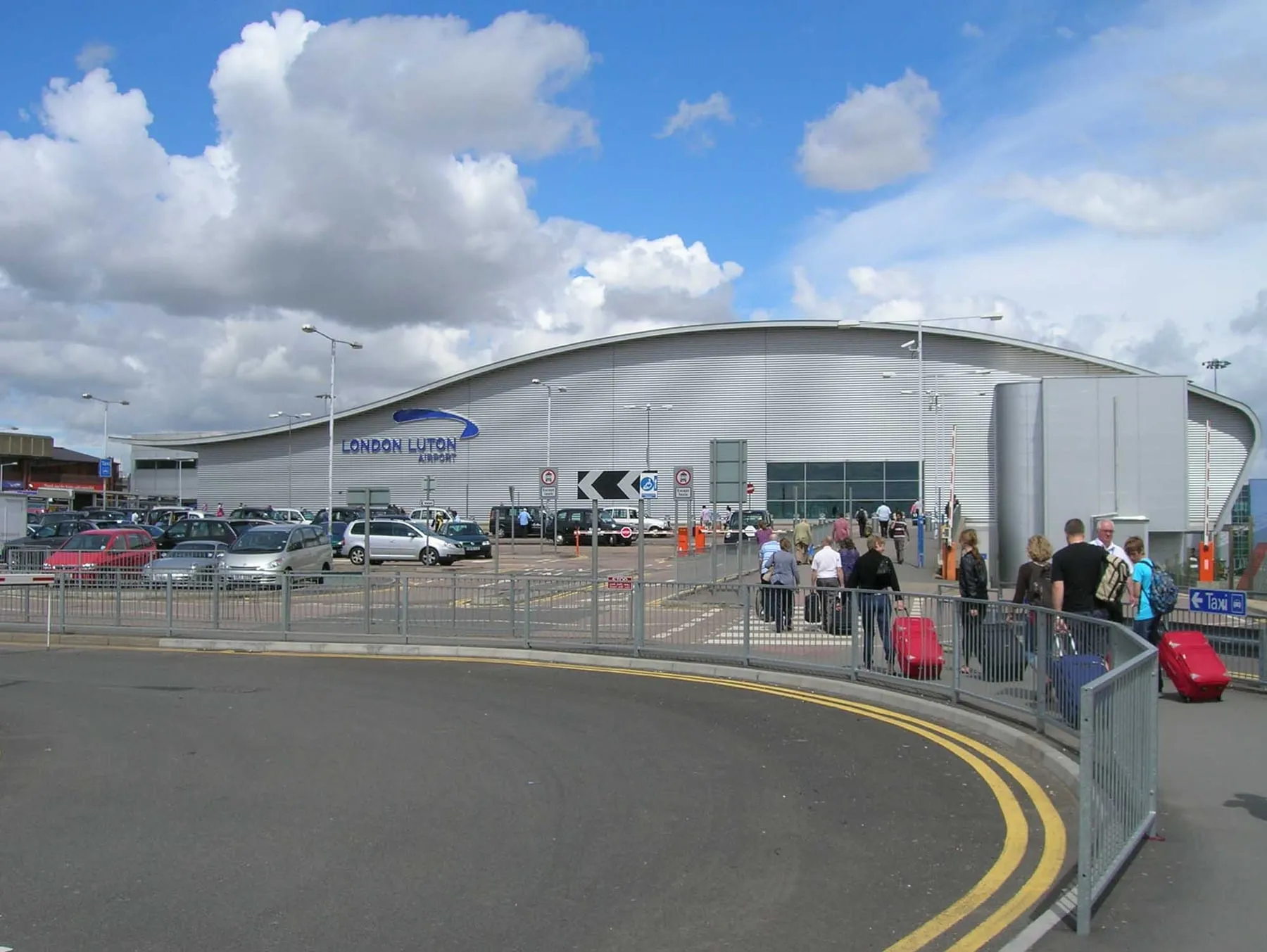
Luton to Gatwick in one minute
The Luton to Gatwick trip is a single direct Thameslink train, about 1 hour 29 minutes at its fastest, with no change and no separate leg across London. It works because both airports sit on the same line: Thameslink runs north to south straight through the centre, so the train from Luton Airport Parkway keeps going through St Pancras, Farringdon and London Bridge and out to Gatwick without you ever leaving your seat. Very few people realise the two airports are joined by one train, which is exactly why it is worth knowing.
The one-line answer: from Luton Airport terminal, ride the short Luton DART shuttle to Luton Airport Parkway station, then take a direct southbound Thameslink to Gatwick. Book your ticket through to the station called Luton Airport and the DART is bundled in. It is not the fastest airport link in the country at around an hour and a half, but it is direct, and it beats hauling luggage across London to change. For the central London stations on the same line, see the Gatwick to London guide.
The direct airport-to-airport train
Thameslink joins Bedford and Luton in the north to Brighton and Gatwick in the south, running through the middle of London rather than ending at a terminus, and that geography is what creates the direct link. A southbound train from Luton Airport Parkway calls through the central core at St Pancras, Farringdon, City Thameslink, Blackfriars and London Bridge, then carries on to Gatwick, covering roughly 50 miles end to end. The fastest services do it in about 1 hour 29 minutes, with around 1 hour 37 typical, and there are dozens of direct trains a day, so you are rarely waiting long.
Because the train threads the centre, you can also treat it as a through service to anywhere on the line: join it at Luton and step off at St Pancras or London Bridge, or ride the whole way to the airport. That flexibility is the real value of the route, alongside the airport-to-airport link itself. It is worth being clear-eyed about the time, though: an hour and a half is not quick, and the appeal is directness and avoiding a cross-London change, not speed. For live times on the day, check National Rail or the Thameslink app.
The Luton DART and which ticket to buy
Luton Airport Parkway station is not at the airport terminal itself, so at the Luton end there is one short extra step: the Luton DART, an automated shuttle that runs between the terminal and the Parkway station in under four minutes. It replaced the old shuttle bus in 2023 and runs every four minutes at peak and up to every seven off-peak, so it adds little to the trip. A standalone DART ticket is £4.90 for an adult and £2.45 for a child aged 5 to 15, with under-fives free.
The tidy way to handle it is at the booking stage. If you buy your train ticket to the station named Luton Airport, rather than Luton Airport Parkway, the DART fare is included automatically, so you have one ticket for the whole trip and nothing to buy on the day. Book only as far as Luton Airport Parkway and you pay the DART separately at the terminal. Coming the other way, from Gatwick, the same rule applies: ticket to Luton Airport if you want the terminal with the DART thrown in, or to Luton Airport Parkway if the station is your destination.
Fares and tickets
This is a longer journey than a hop into central London, so it carries a longer National Rail fare rather than the flat zone-1 price. Advance singles start from around £17 when booked a day or two ahead, and walk-up fares on the day are higher, so for a journey this length it usually pays to book in advance if your plans are firm. A ticket bought through to Luton Airport, as above, folds the DART into that price.
Contactless pay-as-you-go is accepted along the route, but for a trip this long an Advance ticket booked ahead is often cheaper than the pay-as-you-go fare, so it is worth comparing the two rather than simply tapping in out of habit. Fares change over time and vary by service, so check the live price at the point of booking. If you are also weighing the central London leg on its own, the flat walk-up and contactless fares are set out on the Gatwick to London page.
Connecting between two flights
If you are self-connecting between a Luton flight and a Gatwick one, the direct train is the sensible spine of the trip, but treat the timings with respect. This is not a booked transfer, so a delay to the first flight or the train is your risk to manage, and an hour and a half on the rails is before you add bag reclaim, the DART, and check-in at the far end. Build in a generous cushion, and remember that any hold luggage comes with you the whole way, since there is no through-check between two separate airlines at two separate airports.
It is the same self-connect logic that applies to the better-known Gatwick to Heathrow corridor, where the direct coach does the airport-to-airport job instead. Check which terminal your Gatwick flight uses before you travel, so you know whether the free inter-terminal shuttle is part of your onward walk once the train sets you down at the South Terminal station.
Coach, taxi and driving
There is no direct coach between Luton and Gatwick, so a coach trip means routing through central London and changing, which is slower and no simpler than the direct train. That leaves the train as the only genuine public-transport through-route, with a taxi or private-hire car as the door-to-door alternative. A car can be quicker than the train off-peak, perhaps an hour and a quarter depending on the M25, but it costs several times the rail fare and is at the mercy of the motorway at busy times; the taxi guide covers the fare picture.
Driving yourself between the two makes sense only if the car is staying with you, since parking at Gatwick for a trip is its own cost; the parking guide compares the car parks by stay length. For the wider set of options in and out of Gatwick, including the central London corridors that share this train, the transfers hub lines every mode up on price and time.