On this page (6 sections)
London Bridge to Gatwick in one minute
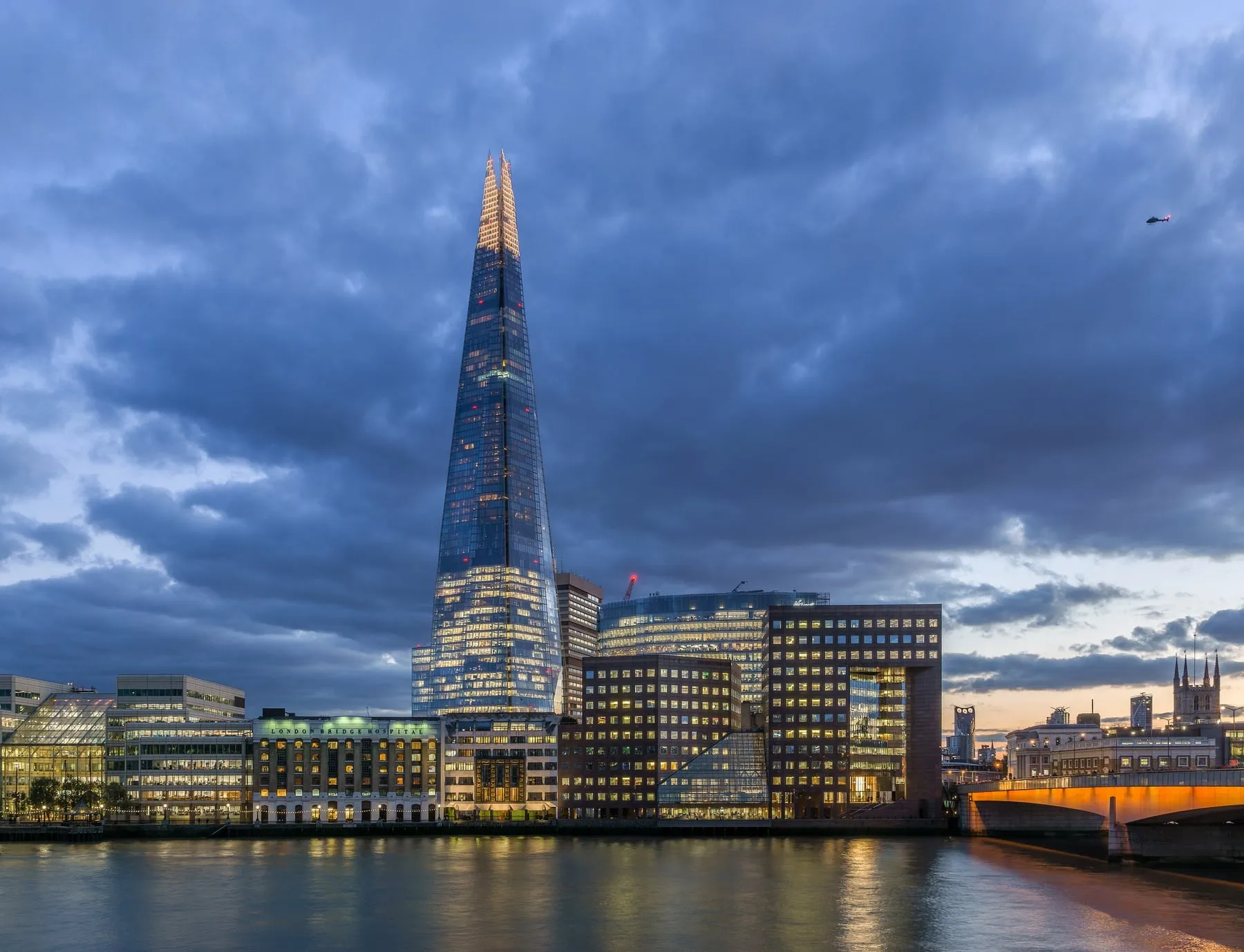
The London Bridge to Gatwick trip is a single direct Thameslink train, about 30 minutes on the quickest services and no change along the way. London Bridge is one of the capital's major City-side stations, served by the Jubilee and Northern lines and sitting right by the Shard, Borough Market, Guy's Hospital and the river at Bankside, so for anyone working or staying on the east and south of the centre it is the closest and simplest airport station. Southbound trains towards Brighton call at Gatwick, and northbound they carry on through the core to Farringdon and St Pancras.
The one-line answer: find a southbound Thameslink towards Gatwick Airport or Brighton, tap in with contactless for about £10.70 off-peak, and you are at the South Terminal in roughly half an hour. It is cheaper than the Gatwick Express and saves you crossing town to Victoria first. The same holds in reverse for the Gatwick to London Bridge direction. If you want the wider picture across every London station and mode, the Gatwick to London guide compares them all; this page stays on the London Bridge corridor.
The direct Thameslink route
Thameslink is the north-south service that runs through the middle of London rather than terminating at a terminus, joining Bedford and Cambridge in the north to Brighton and the Sussex coast in the south. The Gatwick trains you want are the southbound Brighton services: from London Bridge they head straight for the airport, with the quickest calling only at East Croydon on the way. That is what makes the trip so direct. No other operator links London Bridge and Gatwick without a change, so the decision is simply which southbound Thameslink to catch.
Heading north out of Gatwick, the same trains run on through the central core, calling at Blackfriars, City Thameslink, Farringdon and St Pancras before continuing towards Luton and Bedford. London Bridge is the busiest of those central stops for airport traffic, and the next one up the line, Farringdon, adds the Elizabeth Line and has its own Farringdon to Gatwick guide. If Victoria suits you better than the City, the Gatwick Express and Southern reach it directly, but from London Bridge itself the through Thameslink is the obvious pick.
Journey time and frequency
On the fastest direct services the trip is about 30 minutes, with slower trains that make more stops on the Gatwick side taking up to around 45. The board on the concourse shows which is which, so when two departures are close together it is worth catching the faster one. Up to eight trains an hour run at peak, one of the higher frequencies of any airport rail link in the country, which means most of the time you catch the next train rather than working to a timetable.
Frequency eases off-peak but stays high through the day, thinning in the small hours. If you are heading back to the airport late, or into London on a red-eye arrival, check the last direct departure before you rely on it. The train's real strength on this run is not raw speed but reliability: it holds its 30 minutes whatever the M23 and M25 are doing, which is exactly what you want when a flight is waiting at the far end. For live times on the day, check National Rail or the Thameslink app.
Fares, tickets and contactless
A walk-up Anytime Day Single between London Bridge and Gatwick is about £15, the standard regulated fare to any central London station, and well below the £24.10 the Gatwick Express charges for its Victoria run. A day return or a longer-dated return can work out cheaper than two singles if you are coming back, so check the return options rather than buying two ones. There is nothing to gain from booking this leg in advance, because the walk-up fare is fixed rather than a price that climbs closer to the day.
Contactless is usually the cheaper and simpler choice. Contactless cards, phones and Oyster are valid on Thameslink between London Bridge and Gatwick: touch in at the gates, touch out at the other end, and the pay-as-you-go fare is calculated for you, about £10.70 for an off-peak single into zone 1 and £19.20 at peak. Peak means 06:30 to 09:30 and 16:00 to 19:00 on weekdays, with weekends and bank holidays off-peak all day, so an off-peak contactless single at £10.70 is the cheapest easy fare on the corridor. Fares are reset each January, so check the live price for your travel day, and see the Thameslink guide for the full ticketing picture.
At London Bridge and at Gatwick
London Bridge was rebuilt under the Thameslink Programme and reopened in 2018 as a bright, fully step-free station, with lifts to every platform and a wide concourse beneath the tracks. Gatwick trains leave from the Thameslink through platforms, and the allocated platform can vary, so follow the departure boards to the next southbound service towards Gatwick Airport or Brighton. The Jubilee and Northern lines, plus a spread of bus routes, feed the station from across central London, so reaching it with luggage is straightforward.
At the airport end the station is part of the South Terminal, a covered five-minute walk from the check-in level with no road to cross, and every platform has been step-free since the 2023 rebuild; the station guide has the layout. If you are flying from the North Terminal, take the free shuttle across from the South, a two-minute ride that runs day and night, and allow about ten minutes in all. Thameslink runs mainline commuter stock rather than a dedicated airport train, so door-side luggage space is tight at rush hour; travelling with big cases outside the busiest commuter windows makes the trip easier.
Other ways to make the trip
Thameslink is the natural London Bridge link, but it is worth knowing the fallbacks. Engineering works, most often on winter weekends, can replace some trains with buses or divert services, so check before you travel if your flight depends on it. When the through route is disrupted, the Victoria services are the backup: a couple of stops on the Jubilee or Northern line takes you across to Victoria for the Gatwick Express or a Southern train. National Express coaches serve Victoria Coach Station rather than London Bridge, so for this corridor specifically the train is the direct option and the coach means crossing town first.
A pre-booked taxi or private-hire car is the door-to-door alternative, roughly £65 to £90 and about an hour in clear traffic, which is worth it for a group splitting the fare, a heavy load of luggage, or an arrival at an hour when the trains are sparse; the taxi guide has the detail. For one or two people, the direct train beats it on both cost and time. To weigh every mode at once, including the Heathrow and Brighton corridors, the transfers hub lines them up, and if you are driving to the airport instead, the parking guide compares the car parks by stay length.